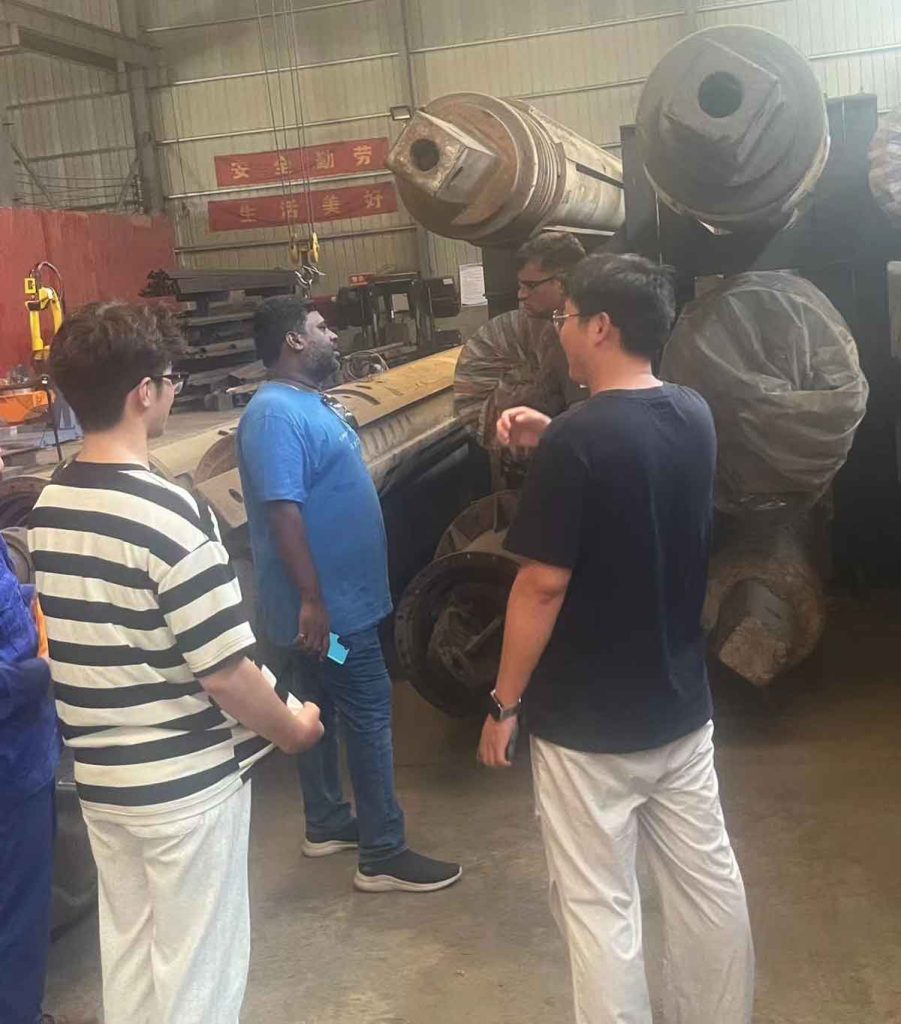
Most disputes don’t start on the jobsite; they start at the port when a crate opens and something looks “not as promised.” Our answer is simple: treat proof as part of the product. At JM, every interlocking or friction Kelly bar can ship with a Product Passport and a four-layer export package designed to arrive clean, lift safely, and drill on day one—whether you receive at Shanghai, Lianyungang, Qingdao, or a humid coastal yard on the other side of the world.
1) What “ready-to-drill” really means
Paper specs don’t pour concrete. “Ready-to-drill” means three things your foreman can verify in minutes:
Lock engagement that is decisive at each stage under torque.
Telescope smoothness across the full stroke without repeated mid-point hesitation.
Adapter correctness—box size, bolt circle, and faces match your rig, so the top drive handshake is clean.
If these three feel right, most commissioning friction disappears. That’s why the Passport focuses on what your crew actually touches, sees, and hears.
2) Inside the Product Passport: evidence that travels with the steel
The Passport is a one-page dossier attached to the bar’s paperwork and shared digitally. It includes:
Straightness and concentricity readings for tubes and joints.
Telescoping clearance and notes on guide wear protection.
Lock-depth measurements at each stage and pressure-plate status (replaced, resurfaced, preload value).
Full-stroke test stills with cycle count and any noise observations.
Drive adapter dimensions matched to XCMG, SANY, ZOOMLION, BAUER specs.
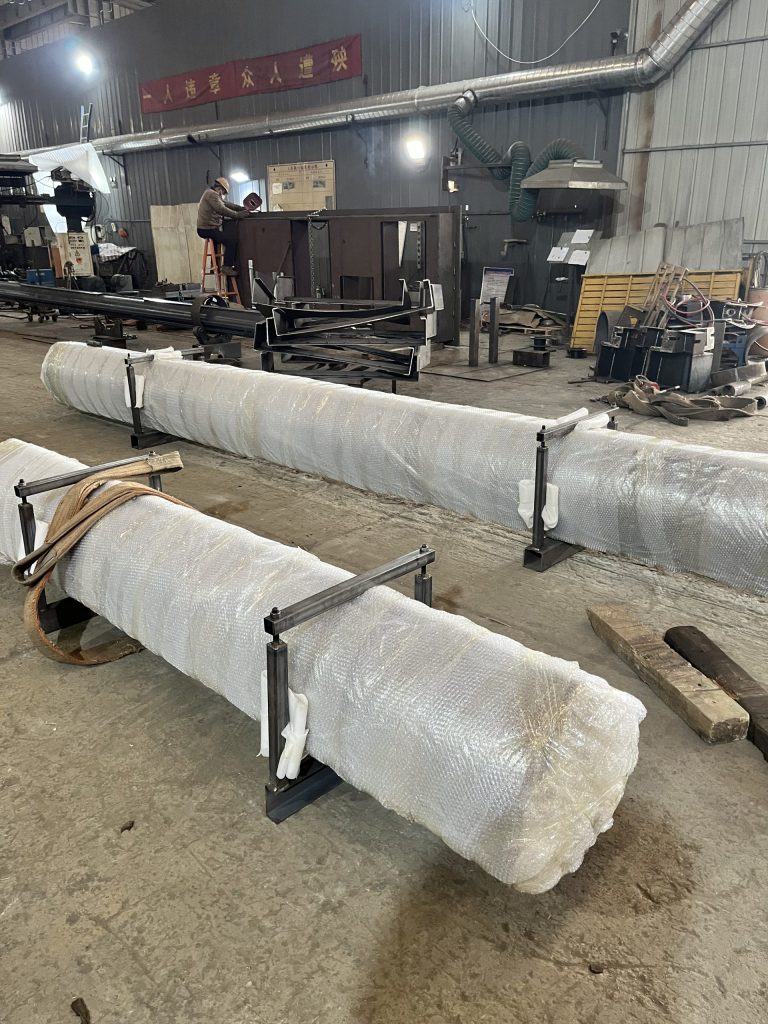
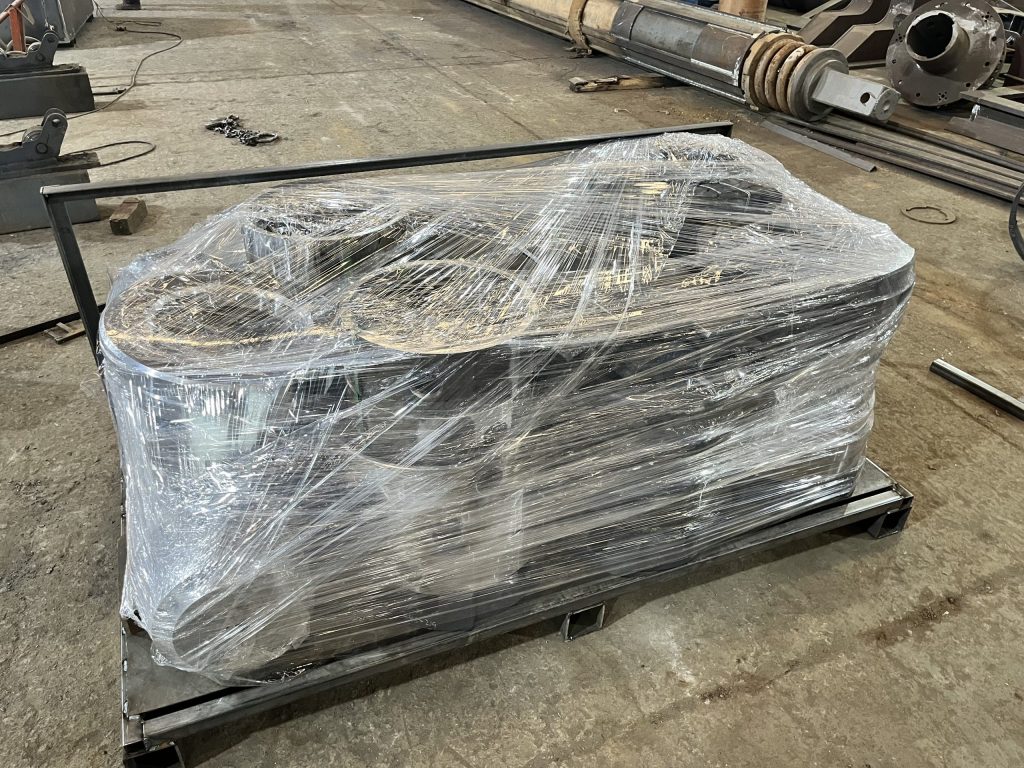
Packing photos: inner films, bubble wrap, outer tarp, steel end frames with rubber pads, and lifting points.
This turns a promise into portable proof. Your receiving team can sign off with confidence; your operations lead can plan meters the same afternoon.
3) Four layers that matter: film → film → bubble → tarp
Shipping hurts coatings and lock faces in predictable ways: abrasion, vibration, and water. The package is engineered against all three.
Film + film (inner layers) protect the primer and take micro-scratches so the lock faces and coating stay clean.
Bubble wrap (third layer) absorbs vibration and knocks during truck and yard moves.
Tarpaulin (outer layer) resists water and sun, especially during long port layovers.
Steel frames with rubber pads (ends) keep the bar fixed and safe to lift on arrival. The rubber removes gaps, so nothing frets under the frame.
These four layers don’t add flash; they add day-one certainty. The crate opens; the bar lifts; the hole starts.
4) Ports, timing, and smoother hand-offs
We route by payment date and vessel cut-off, usually via Shanghai, Lianyungang, or Qingdao. The Passport and packing photos speed receiving and inspection: the forwarder checks marks and frame bolts; the yard checks film continuity and the crate list; your site sees the same images in the portal. When everyone shares the same evidence, hand-offs compress and misunderstandings fade.
5) What this looks like on a real job
A Southeast Asia contractor ordered an interlocking JS406-4×15 to pair with a high-torque rig for dense sands. The bar shipped with a Passport, spares (pressure plates, key strips, retaining rings, drive-adapter hardware), and the four-layer package. At the port the team lifted directly from the frames; at the yard they ran two full-stroke cycles. Lock felt decisive; telescope was smooth. The first hole started the next morning without a single “wait for parts” delay. That is the value: proof → clean arrival → predictable first week.
Ask us for a sample Passport pack for your rig model and ground. We will include a port-specific ship plan and a short commissioning checklist so your crew can move from crate to meters without drama.