When a contractor asks whether to buy a friction Kelly bar or an interlocking Kelly bar, the real question is not simply which product is stronger. The better question is: what type of ground will the rotary drilling rig face every day, how much torque must be transferred to the drilling tool, and how costly would one day of downtime be on this project?
For overseas buyers, this decision is often made under pressure. The project may already have a rig on site, the soil report may be incomplete, and the purchasing team may only have a few photos of an old Kelly bar to send to suppliers. Choosing too light a bar can lead to slow drilling, fast wear, deformation, or locking problems. Choosing an unnecessarily heavy locking Kelly bar can also increase cost and machine load without creating real value. A practical selection should balance geology, rig capacity, pile depth, pile diameter, working method, delivery time, and spare parts availability.
JIUMAN focuses on Kelly bars for rotary drilling rigs and foundation machinery applications. With technical experience dating back to 2005, more than 20 years of engineering practice, a 10,000 square meter manufacturing facility, and products used in more than 15 countries and regions, the company’s role is not only to quote a model number. A reliable Kelly bar supplier should help the buyer reduce uncertainty before the bar is produced and shipped.
Start From Ground Condition, Not Only From Bar Length
A common purchasing mistake is to ask for a Kelly bar only by length, such as 18 meters, 24 meters, or a four-section design. Length is important, but it does not decide whether a friction Kelly bar or an interlocking Kelly bar is the right choice. The same depth can be easy in soft clay and very demanding in dense sand, gravel, cobbles, weathered rock, or mixed hard layers.
A friction Kelly bar transfers torque mainly through friction between telescopic sections. It is commonly used when the soil is suitable for smoother drilling and the tool does not need repeated high-torque locking to cut through hard strata. For many soft to medium soil projects, a friction Kelly bar can support efficient drilling, good depth reach, and simpler operation. It is often a practical choice for bored pile work in clay, silt, sand, and ordinary fill where the operator needs stable production rather than maximum torque bite.
An interlocking Kelly bar, also called a locking Kelly bar, uses mechanical locking structures to transfer stronger torque from the rotary drive to the drilling tool. It becomes more valuable when the jobsite has dense formation, hard clay, gravel, cobbles, weathered rock, or uncertain geology. In these conditions, the buyer is not paying only for a different structure; the buyer is paying for torque reserve, drilling control, and lower risk when the ground becomes harder than expected.
How to Match a Kelly Bar With the Rotary Drilling Rig
The best Kelly bar for rotary drilling rig work is one that matches the machine and the project together. A high-torque rig with the wrong bar cannot fully use its power. A smaller rig with an oversized bar may face unnecessary weight and handling problems. Before confirming a design, the buyer should provide the rig brand and model, rotary drive torque, main winch capacity, target pile depth, pile diameter, tool type, and soil information.
This is especially important for mixed fleets. Contractors and dealers may work with XCMG, SANY, Bauer, Soilmec, Liebherr, Zoomlion, or other rotary drilling rigs. Even when two machines appear similar, the drive connection, bar dimensions, section overlap, and drilling tool system may not be the same. A professional supplier should check these details before production, not after the bar arrives at the port.
Wear parts also affect the real cost of ownership. Drive keys, locking blocks, wear strips, friction pads, pins, adapters, and section contact areas must be considered together with the main tube structure. Buyers sometimes focus only on the purchase price of a friction Kelly bar vs interlocking Kelly bar, but downtime caused by missing spare parts can be more expensive than the difference in the original quotation. For export orders, it is often smarter to discuss common wear parts together with the main bar and prepare them before shipment.
What Makes the Choice More Reliable for Overseas Buyers
For buyers in Southeast Asia, the Middle East, Latin America, India, Pakistan, Indonesia, Vietnam, Mexico, Malaysia, Saudi Arabia, and other active infrastructure markets, jobsite information is not always perfect. A soil report may be old, a project may change pile diameter, or the contractor may plan to move the same rig between several sites. In this situation, the supplier’s engineering judgment matters.
JIUMAN’s practical recommendation process is built around the buyer’s working condition. If the ground is mainly soft to medium and drilling efficiency is the priority, the discussion may start from a friction Kelly bar. If the project involves hard layers, dense gravel, deeper piles, or high torque demand, the discussion should move toward an interlocking Kelly bar. When the ground condition is uncertain, the safer design is usually the one that gives the contractor enough torque reserve without exceeding the machine’s practical capacity.
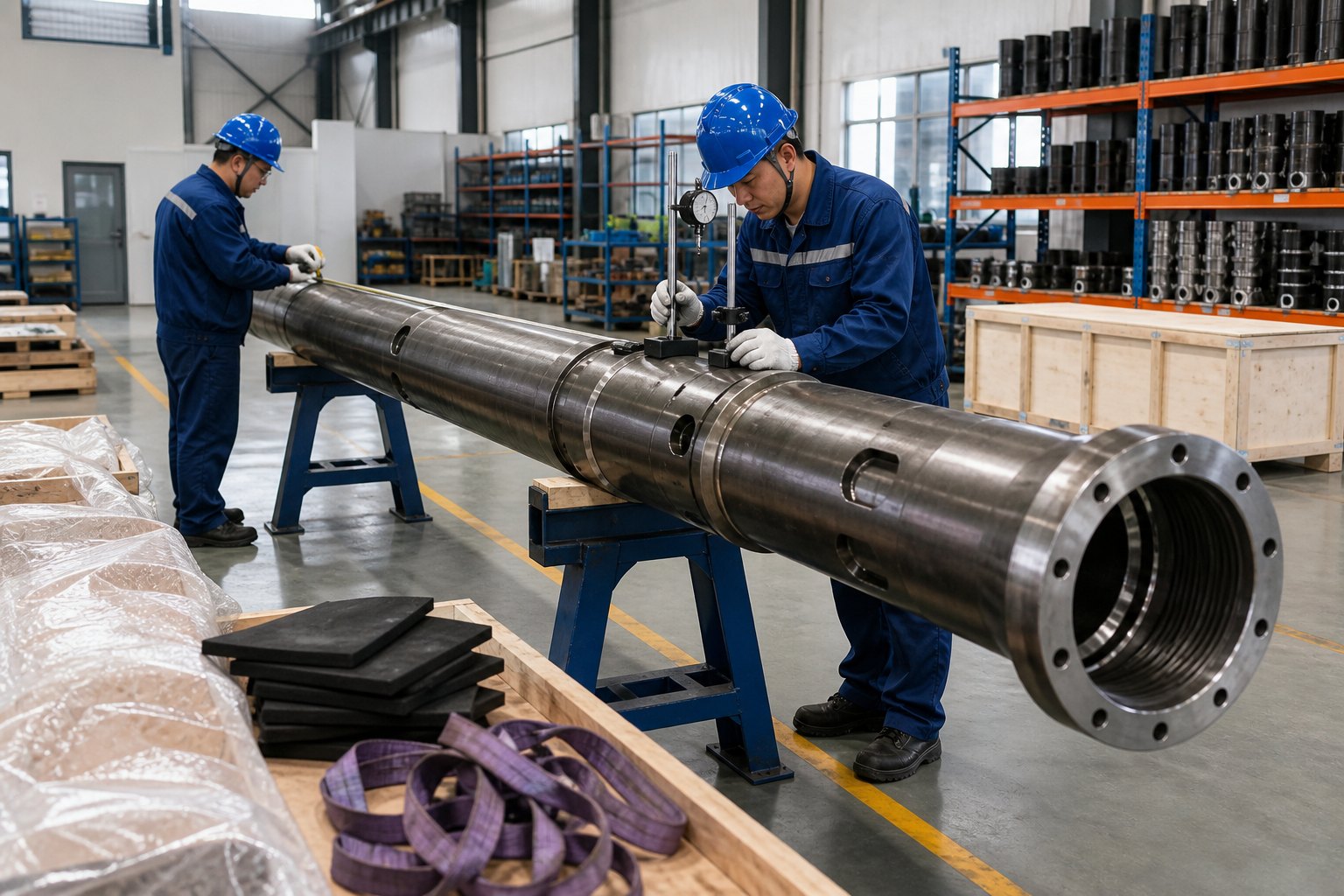
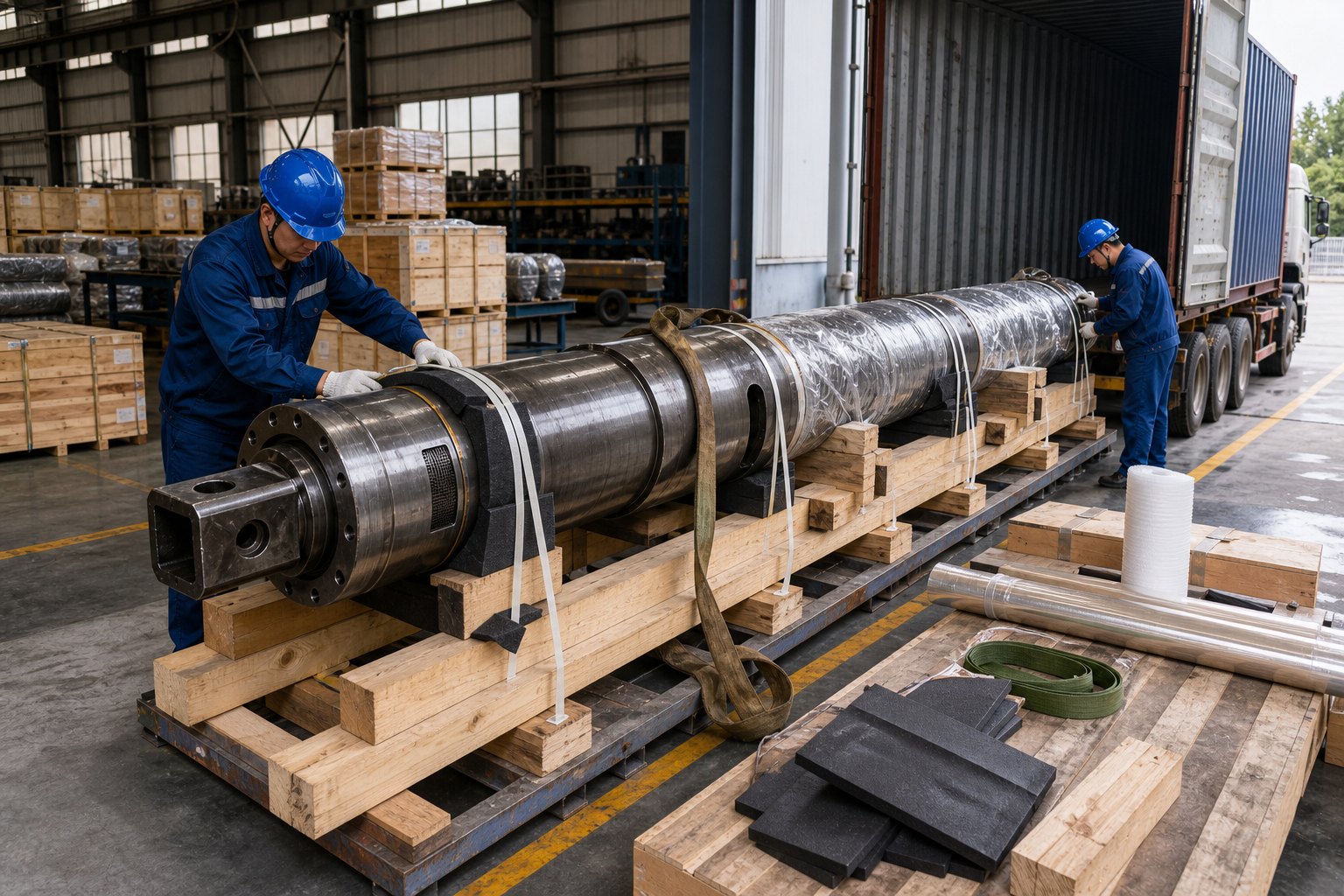
Manufacturing and delivery details also help buyers judge credibility. A Kelly bar is a heavy-duty component, not a simple steel pipe. Section straightness, machining accuracy, weld quality, heat treatment where applicable, locking area fit, surface protection, packing protection, and loading method all influence whether the product can start work smoothly after arrival. Clear inspection photos, dimension confirmation, packing method, and spare parts discussion can reduce risk before the shipment leaves the factory.
Information to Send Before Asking for a Quotation
A useful Kelly bar quotation needs more than the words “send price.” To avoid wrong matching, buyers should send the rotary drilling rig model, current Kelly bar photos or drawings if available, required drilling depth, pile diameter, soil description, tool type such as bucket, auger, or core barrel, target country, and any deadline for shipment. If the old bar is being replaced, photos of the drive end, outer tube, locking area, and damaged parts are valuable.
With this information, JIUMAN can compare whether a friction Kelly bar, an interlocking Kelly bar, or a customized design is more suitable. The goal is to help the contractor receive a bar that fits the rig, reaches the required depth, survives the expected geology, and arrives with the right spare parts and packing protection.
In simple terms, choose a friction Kelly bar when the soil condition is suitable and efficient drilling is the main target. Choose an interlocking Kelly bar when torque transfer, hard-ground control, and project risk reduction are more important. If you are not sure, send the working details first. A responsible supplier should help you make the decision before production, not leave the answer to trial and error on the jobsite.
FAQ
Is an interlocking Kelly bar always better than a friction Kelly bar?
No. An interlocking Kelly bar is stronger for high-torque and hard-ground work, but a friction Kelly bar can be more practical for suitable soft to medium soil projects where drilling efficiency and depth reach are the main goals.
Can JIUMAN match a Kelly bar to my existing rotary drilling rig?
Yes. Please provide the rig brand and model, old Kelly bar photos or drawings, required depth, pile diameter, soil condition, and drilling tool type. These details help confirm the correct design and connection dimensions.
What should I prepare with the Kelly bar order?
Consider common wear parts such as drive keys, wear strips, friction pads, locking blocks, pins, and adapters. Preparing these parts together can reduce downtime after the Kelly bar starts working.
Need help choosing between a friction Kelly bar and an interlocking Kelly bar? Contact JIUMAN Machinery through WhatsApp at +8618852167087 or email zhenghan.zhang@jmachglobal.com with your rig model, drilling depth, pile diameter, and soil condition.