For many overseas foundation contractors, Kelly bar maintenance only becomes a priority after the rotary drilling rig has already stopped on site. A worn drive key, a cracked weld area, a bent section or a damaged swivel joint can delay pile work, increase repair cost and make the buyer question whether the bar was correctly matched to the job in the first place.
A Kelly bar transfers torque, crowd force and lifting load between the rotary drilling rig and the drilling tool. Its service life depends on the original match between rig and ground condition, the operator’s habits, daily inspection and the spare parts plan. For importers, dealers and project managers, extending Kelly bar life is often less about one big repair and more about controlling small risks before they become site downtime.
JIUMAN supplies new and customized Kelly bars and accessories for common rotary drilling rig brands such as SANY, XCMG, ZOOMLION, Sunward, Casagrande, Bauer, Soilmec, MAIT and IMT. Based on that product scope, this guide explains practical checks that help buyers protect the bar, reduce avoidable wear and prepare the right parts before shipment.
Start Kelly Bar Maintenance Before the Bar Arrives on Site
The first maintenance decision is the selection itself. If the bar is too light for the rig torque, too long for the real working depth, or mismatched with the soil and tooling, wear will appear faster no matter how carefully the operator works. Buyers should confirm rig model, maximum torque, drilling depth, pile diameter, drilling tool type and ground condition before choosing a Kelly bar.
A project in soft clay or sand creates different stress from a job with dense gravel, weathered rock or mixed layers. A friction Kelly bar and an interlocking Kelly bar also load the drive keys and locking areas differently. The goal is not always to buy the heaviest bar; it is to match the section design, diameter, length and connection details to the actual rotary drilling rig and jobsite demand.
In JIUMAN’s Kelly bar catalog, common series include 377, 406, 440, 470, 508, 530 and 575-630 ranges, with materials such as Q345B, SiMn and other options depending on the model. This gives buyers a practical starting point for discussing customized length, color, section number and compatibility.
Inspect Wear Strips, Drive Keys and Locking Areas Before Failure
Most serious Kelly bar problems show small signs before the bar fails. Wear strips, drive keys, locking blocks, weld seams and the circular flange area should be checked regularly because these parts carry repeated contact and impact. If a buyer waits until the bar cannot telescope smoothly or the rotary drive produces abnormal noise, the repair is usually more expensive.
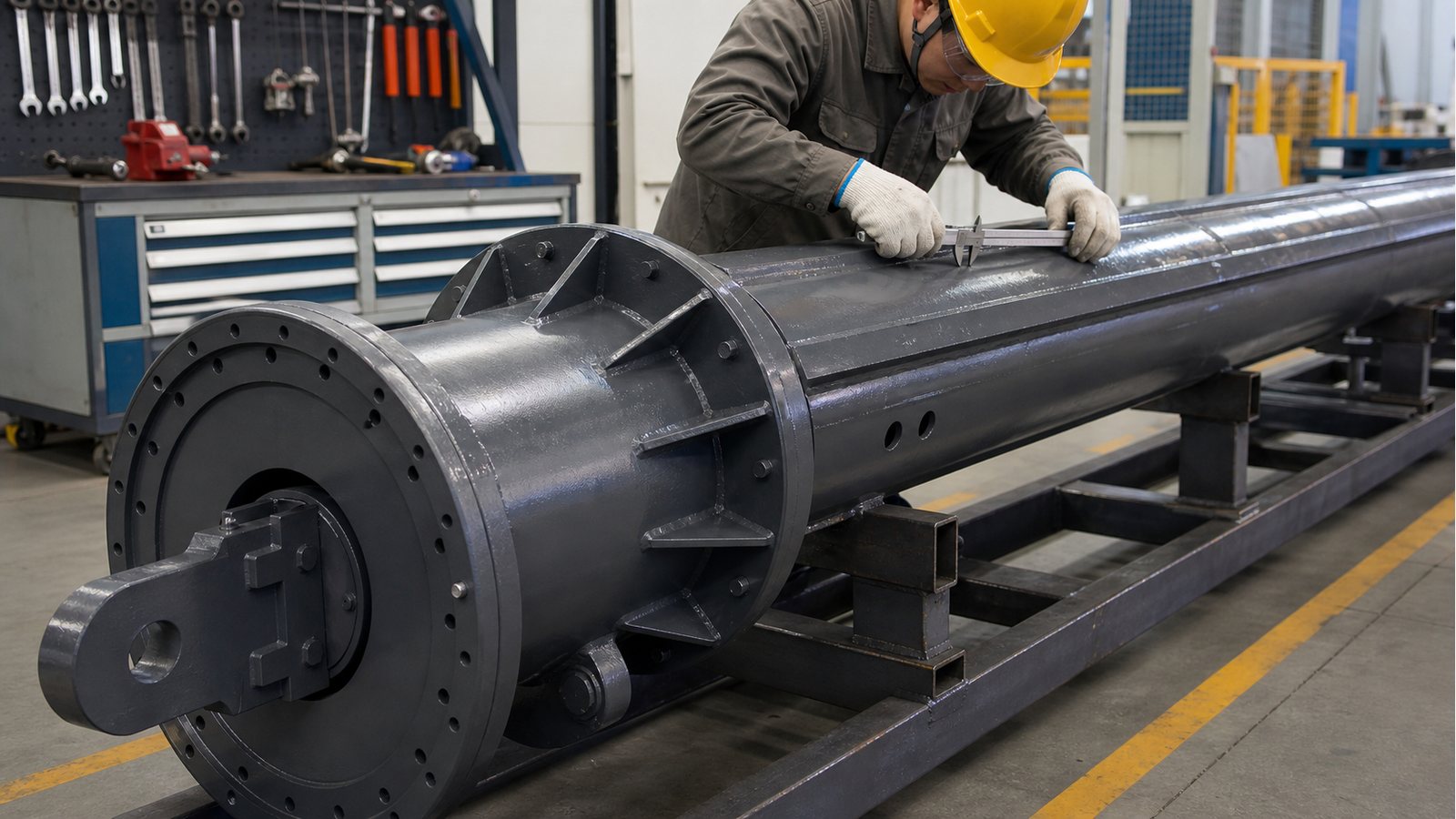
A practical inspection starts with the high-contact surfaces. Look for uneven wear, local deformation, missing weld material, loosened bolts, elongated holes, visible cracks and sharp impact marks. Check whether the telescopic sections extend and retract without abnormal resistance. If the bar is used in abrasive ground, the operator should clean soil and slurry from the sections more frequently so hard particles do not keep grinding the surfaces during rotation.
Maintenance records matter for overseas buyers. Simple photos taken from the same positions every week can show whether wear is normal or accelerating. When a buyer sends these photos to a supplier, the supplier can judge whether the problem is caused by normal wear, wrong tooling, excessive side load, poor lubrication, or a mismatch between rig and bar.
Control Operating Habits That Shorten Kelly Bar Life
Even a correctly selected bar can be damaged quickly by poor operation. Side loading is one common cause. If the mast is not vertical, the drilling tool is jammed, or the operator forces rotation while the bar is not properly aligned, the stress concentrates on the drive keys, guide surfaces and connection areas. Over time, this can lead to bending, cracking or heavy local wear.
Operators should avoid sudden dropping, harsh impact at the end of stroke and aggressive rotation when the drilling tool is blocked. The bar should be kept as straight as possible during drilling, lifting and unloading. The rotary drive, mast guide, wire rope and drilling tool should also be checked because a problem in one part of the rig can appear later as Kelly bar wear.
Good Kelly bar maintenance is a system habit. Clean the bar after difficult soil conditions, watch for abnormal sound or vibration, inspect the end connector and pins, and stop early when the bar starts to move differently. A short pause for inspection is usually cheaper than losing a project day because the bar is stuck or a key surface fails.
Protect the Kelly Bar During Storage, Transport and Export
Some damage happens before the bar reaches the jobsite. Long steel sections can be scratched, bent or corroded if they are not supported correctly during storage and transport. Export buyers should pay attention to how the bar is fixed, how contact points are protected, and whether the surface receives suitable anti-rust protection before shipment.
For long-distance export, buyers can request steel support frames, metal saddles, protective film, anti-rust treatment and secure strapping. Non-wood protective packing is often preferred for international shipments because it avoids unnecessary packaging compliance problems while still protecting the product. The key is to keep the bar stable and prevent point impact on the drive stub, flange, wear strips and exposed machined surfaces.
Prepare the Right Kelly Bar Spare Parts
A maintenance plan is incomplete without spare parts. When the bar is working far from the supplier, even a small missing part can stop the rig. Common Kelly bar spare parts include swivel joint, terminal joint, drain pallet, slewing bearing, wear resistant ring, drive sleeve, cubic-shaped top, strong coil spring, Kelly guides, pinion shaft and steel wire rope.
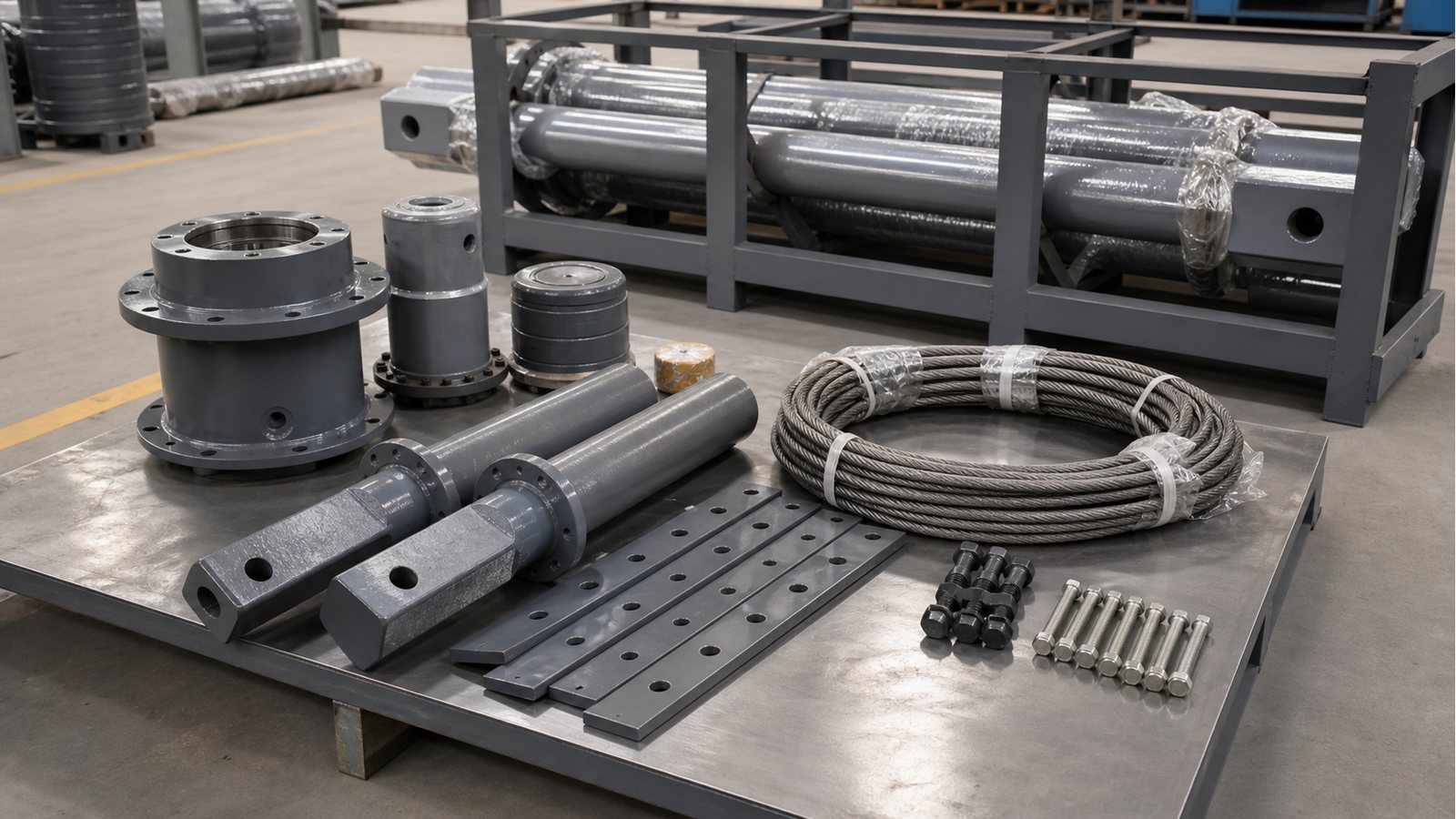
The spare parts list should match the exact bar model and rig. A part that looks similar may still be wrong in diameter, pin hole position, flange size or material requirement. For dealers, keeping basic wear parts and connector parts available can improve customer trust because the end user sees support after purchase, not only a product sale.
JIUMAN’s accessory catalog covers parts used with rotary drilling rigs and piling machines, including support for multiple drill pipe models. When requesting spare parts, buyers should send the bar model, outer diameter, section number, rig brand, part photos and the dimensions that matter. This reduces back-and-forth communication and helps the supplier confirm whether the part can be made or matched correctly.
What Buyers Should Send Before Ordering or Repairing a Kelly Bar
To receive a useful technical recommendation, the buyer should send more than a general price request. The most helpful information includes the rotary drilling rig brand and model, torque class, expected drilling depth, pile diameter, ground condition, existing Kelly bar size, section number, connector type and photos of worn areas. For repair questions, close-up photos of cracks, welds, holes, wear strips and the drive stub are important.
This information allows the supplier to judge whether a new Kelly bar, a repair plan or spare parts replacement is the right solution. It also helps avoid over-specification. In many cases, a practical custom bar with the right section design and properly prepared accessories delivers better value than simply choosing the largest available model.
For importers and contractors, the best time to discuss Kelly bar maintenance is before the next project starts. If you are selecting a new bar, preparing spare parts, or trying to extend Kelly bar life on an existing machine, JIUMAN can review your rig model, working depth and site conditions to recommend a suitable direction.
Short FAQ for Kelly Bar Maintenance
How often should a Kelly bar be inspected? A visual check should be part of daily rig preparation, especially after hard ground, abrasive sand, gravel or difficult extraction. A more detailed inspection of wear strips, drive keys, welds, pins and connector areas should be scheduled according to site intensity.
Can a damaged Kelly bar be repaired? Some wear surfaces, keys or local components may be repairable, but cracks, serious deformation and repeated structural damage need professional evaluation. If repair changes the alignment or locking function, replacement may be safer.