Outer Section Replacement & Pressure-Plate Upgrade for a JS406-4×15 m Interlocking Kelly Bar
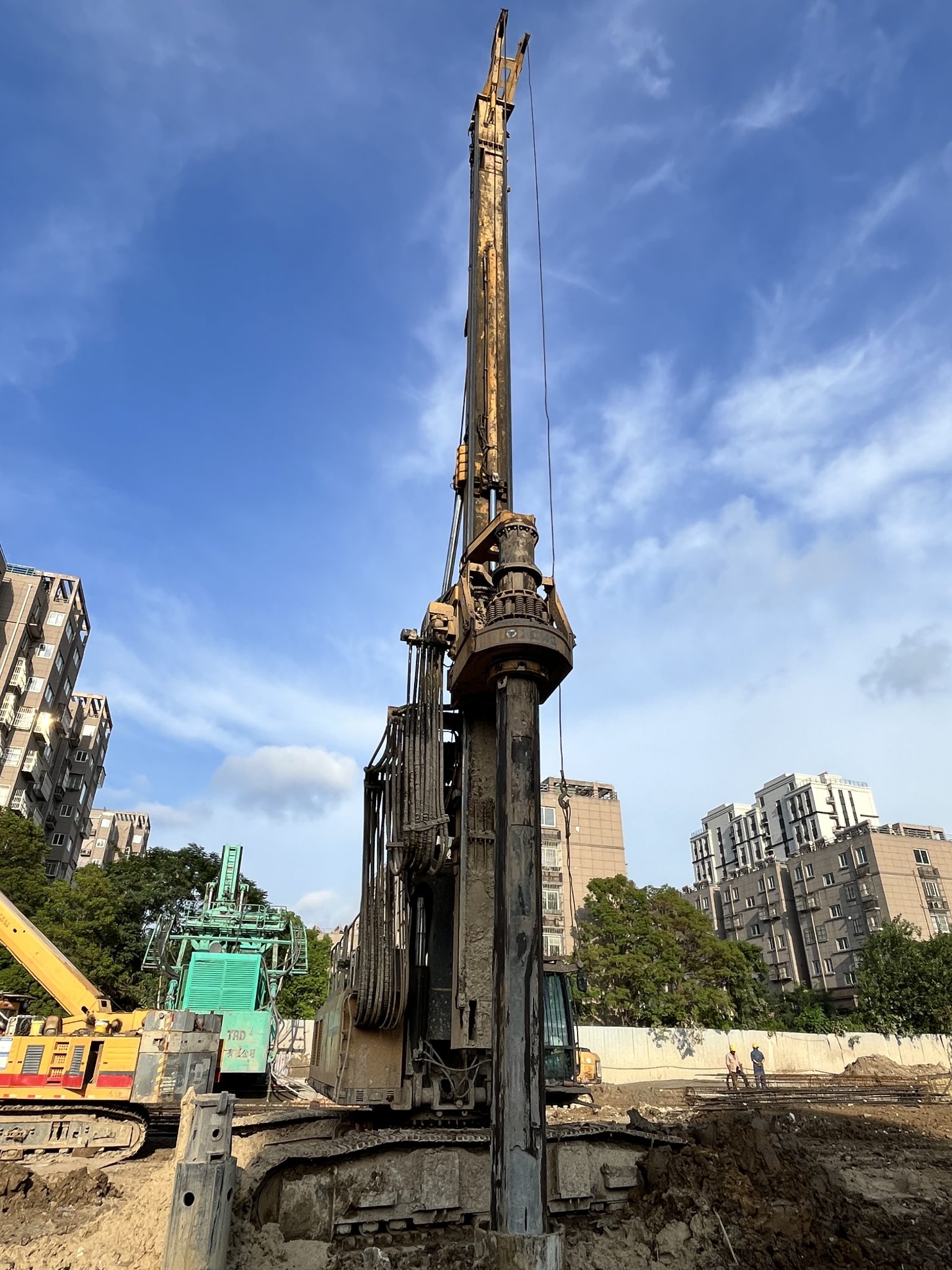
June in Xuzhou is busy and hot. At the Xishanzi Commercial Tower site, multiple rotary drilling rigs, cranes, and concrete trucks share a tight urban footprint. In this environment, uptime matters more than anything: every unintended stop ripples through the schedule. Our service call this month focused on a JS406-4×15 m interlocking Kelly bar whose outer section had worn beyond tolerance. The crew also reported lock slippage under load and occasional telescoping hesitation at mid-stroke—classic signs that the pressure plates had lost effective contact.
Our brief was simple: diagnose, fix, and return the bar to a predictable performance window so the contractor could keep pace with piling targets without babysitting the equipment.
The site and the symptoms
The piling program mixes soft soils with abrasive layers. Sand and fines constantly cycle through the tool, acting like grinding paste on wear surfaces. Over weeks of high-frequency drilling, the Kelly bar’s outer section accumulated banded, uneven wear; the pressure-plate faces showed polished areas and edge rounding. Operators felt it first as a minor delay in lock-up; later as momentary slip when torque peaked, and finally as mid-stroke stick-slip that broke the crew’s rhythm.
This is exactly the use case where component accuracy and surface condition determine whether a rig drills fast—or fights the operator.
What we looked at first
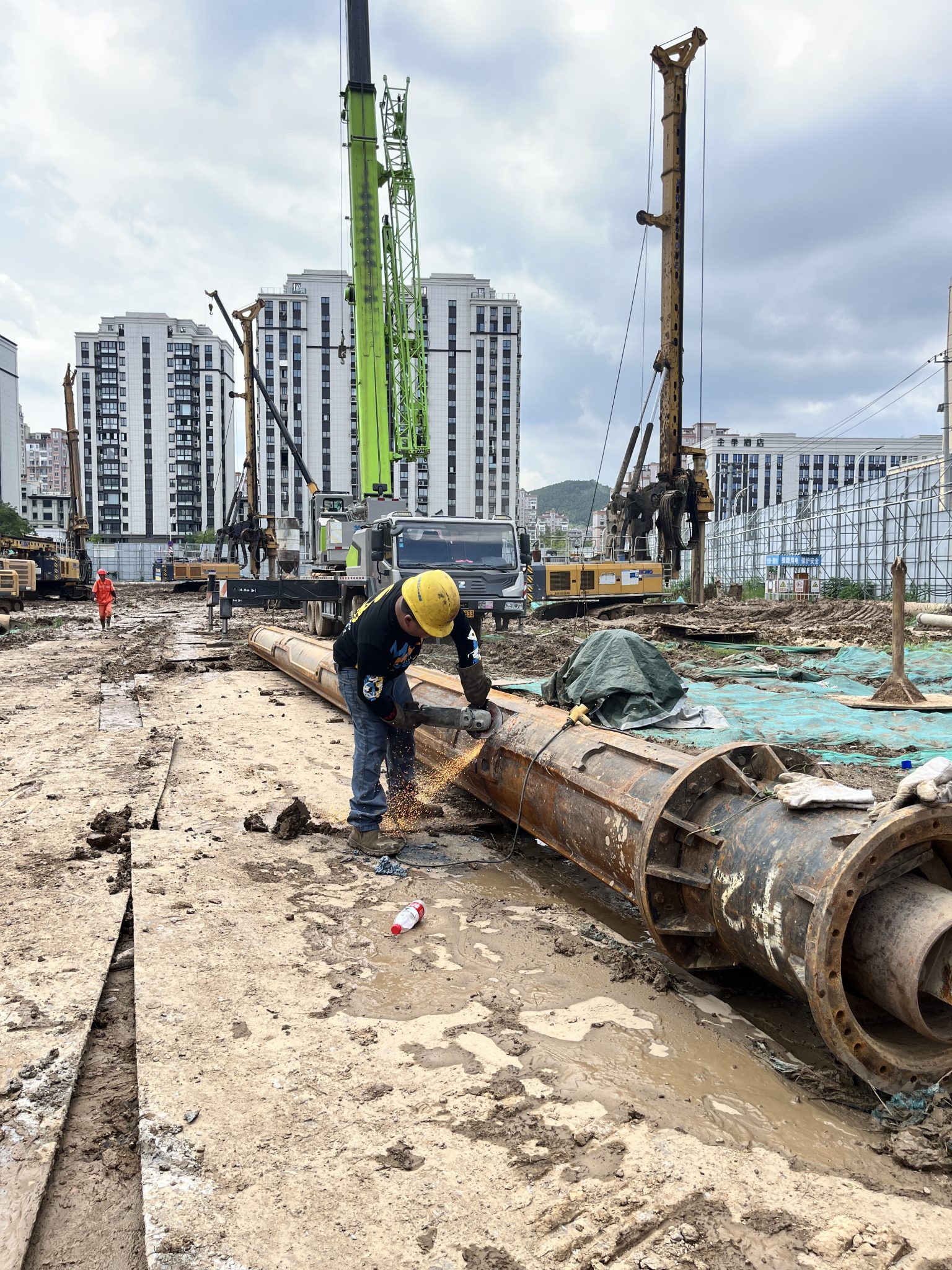
Our engineers don’t start with guesses. We start with measurements:
visual mapping of the wear band and lock-tooth contact;
checks of telescoping clearance, key-strip height, and ovality with gauges and feelers;
inspection of lock engagement depth and the pressure-plate contact patch;
a quick run of concentricity/straightness using the outer section as reference;
slow-speed telescope and a low-torque lock test to reproduce the reported slip.
The results were consistent: the outer section’s critical surfaces had passed the safe wear allowance, and the pressure plates no longer generated a reliable, repeatable lock.
The remedy that works on site
We proposed a two-part intervention that could be completed inside the site’s logistics window:
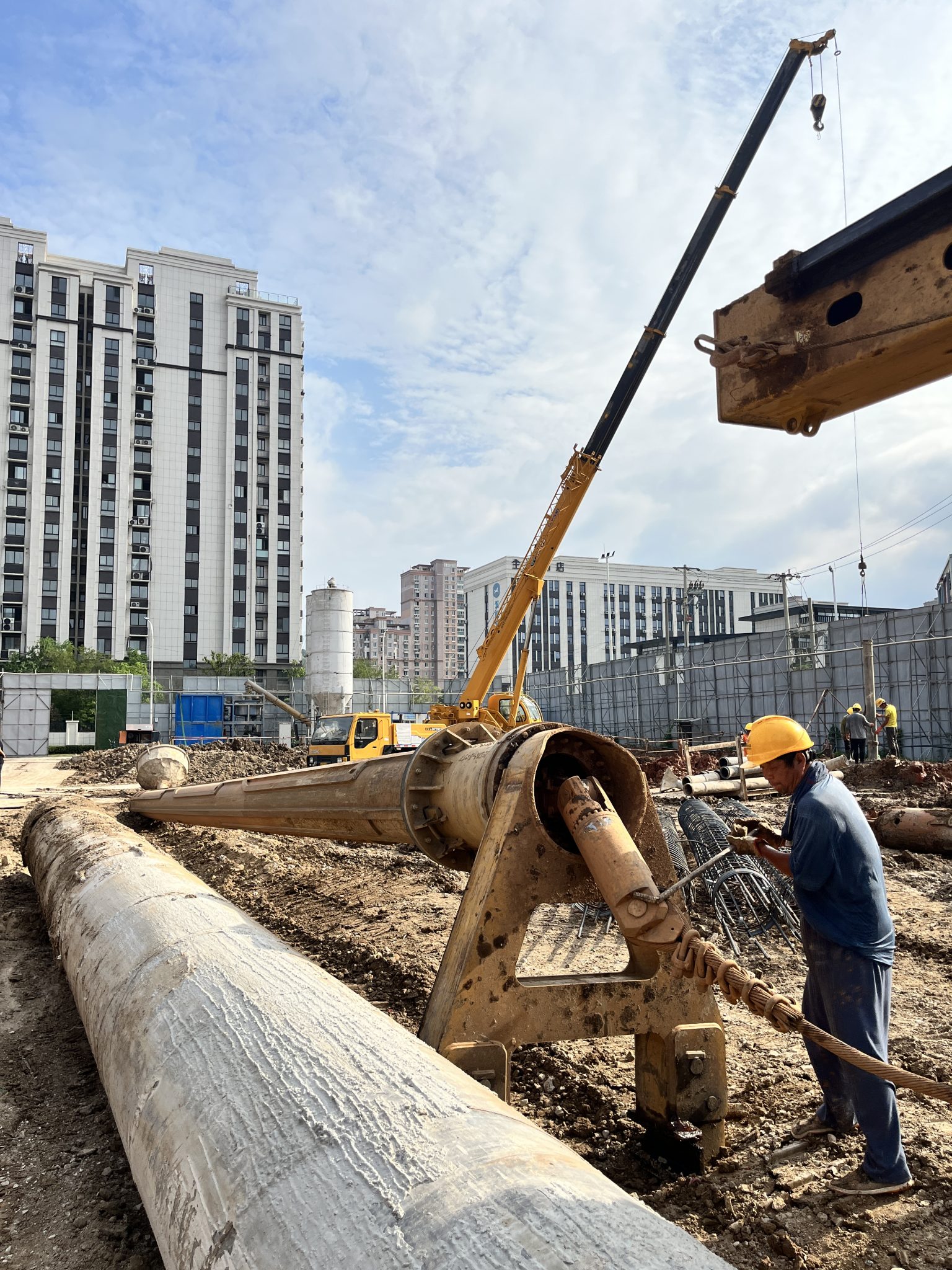
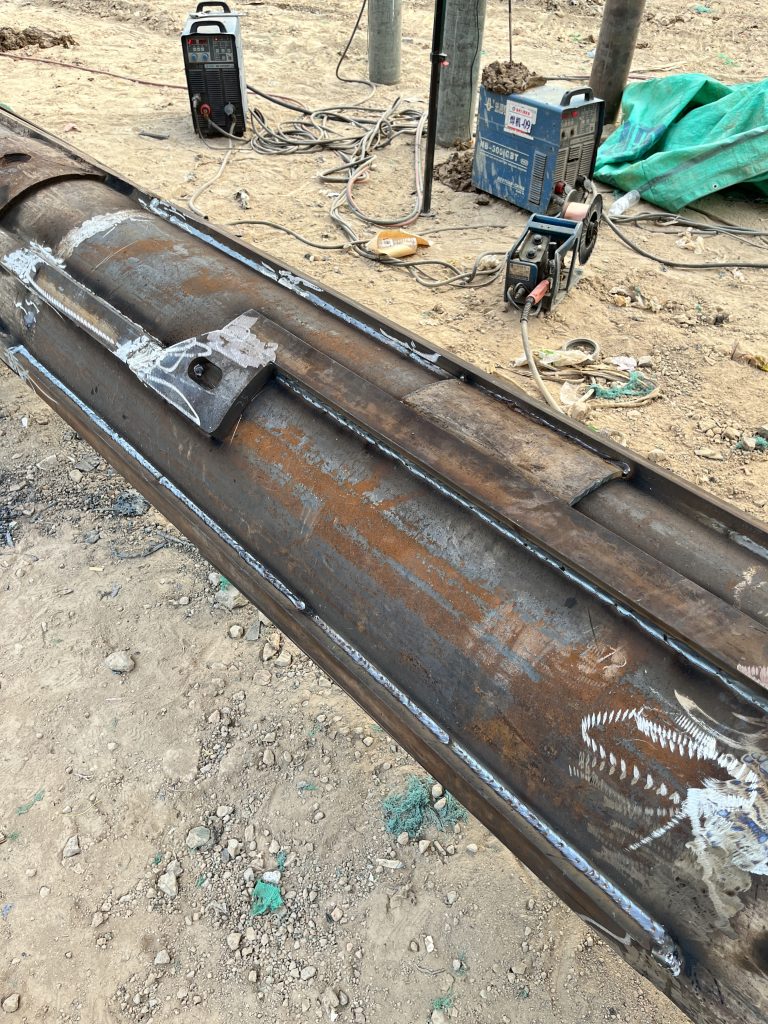
First, we replaced the outer section with a matched component for the JS406-4×15 m bar. Matching is not marketing language—it is geometry: lock-tooth form, key-strip height, guide geometry, and clearances all have to land in the same window, or performance moves from predictable to unpredictable.
Second, we upgraded the pressure plates to restore a full, clean contact area. After seating, we verified plate fit and preload, and we re-checked contact using the same lock depth. This small part pays for itself many times over: better contact equals secure lock-up and less cumulative wear on both sides.
Installation and alignment, done the right way
Tight urban sites are unforgiving, so choreography matters. We fenced the working zone, set a dedicated lifting path, and used dual lifting points and adjustable clamps to keep the section true. Surfaces were cleaned thoroughly—guides, key-strip sides, and seating faces—to eliminate trapped fines. Only after a cold dry-fit did we progress to final fastening and anti-loosen checks.
With the mechanical work complete, we moved to functional calibration:
full-stroke telescoping, several cycles, at controlled speed to confirm smooth motion;
verification of lock-engagement depth against the spec window;
step-torque testing to confirm there is no micro-slip under load;
a quick pass for abnormal noise and temperature rise.
What changed for the crew
The difference shows up where it counts—at the operator’s hands and in the day’s output. Lock-up became immediate and positive, even when torque ramps quickly. Telescoping returned to a smooth, predictable feel across the entire stroke. The foreman reported fewer micro-pauses to “nurse” the lock and less time lost to checks and clean-ups. In piling, that is real money: smoother cycles shorten single-hole duration and bring the program back on schedule.
We don’t quote headline percentages for public blogs because each ground set is different, but the crew’s notes were clear: less hesitation, fewer stops, better rhythm.
Why the outer section and pressure plates matter so much
On interlocking Kelly bars, the outer section handles a harsh combination—torque transmission, guidance, and environmental exposure. Any looseness here multiplies down the stack. The pressure plates are the last centimeter that decides whether the lock engages cleanly or slips under shock. When you restore geometry and contact on these two elements, you restore the bar’s personality: clean lock, straight telescope, and steady progress.
A short note on care (practical, not preachy)
Owners and site managers can stretch performance with simple habits: brief, regular inspections of the lock faces and guide areas; shortened service intervals for abrasive, sandy muds; and immediate checks when operators notice mid-stroke stick-slip or late lock-up. Calling early is always cheaper than running into cascading wear.
What this project says about JM
JM was founded in 2015, but our leadership has been building and servicing Kelly bars since 2008. That experience lives in our drawings, our tooling, and the way our teams work in the field. Beyond manufacturing, we maintain a structured service playbook that turns on-site calls into measured, verifiable recoveries—not quick cosmetic fixes. The Xishanzi job is a clean example: measure, replace, align, calibrate, hand over. No theatrics, just a bar that locks, telescopes, and drills like it should.
If your crew is fighting late lock-up, slip under torque, or a telescope that has lost its smooth stroke, send us your rig model, bar spec, soil notes, and a few photos. We’ll return a practical plan and a realistic lead time.