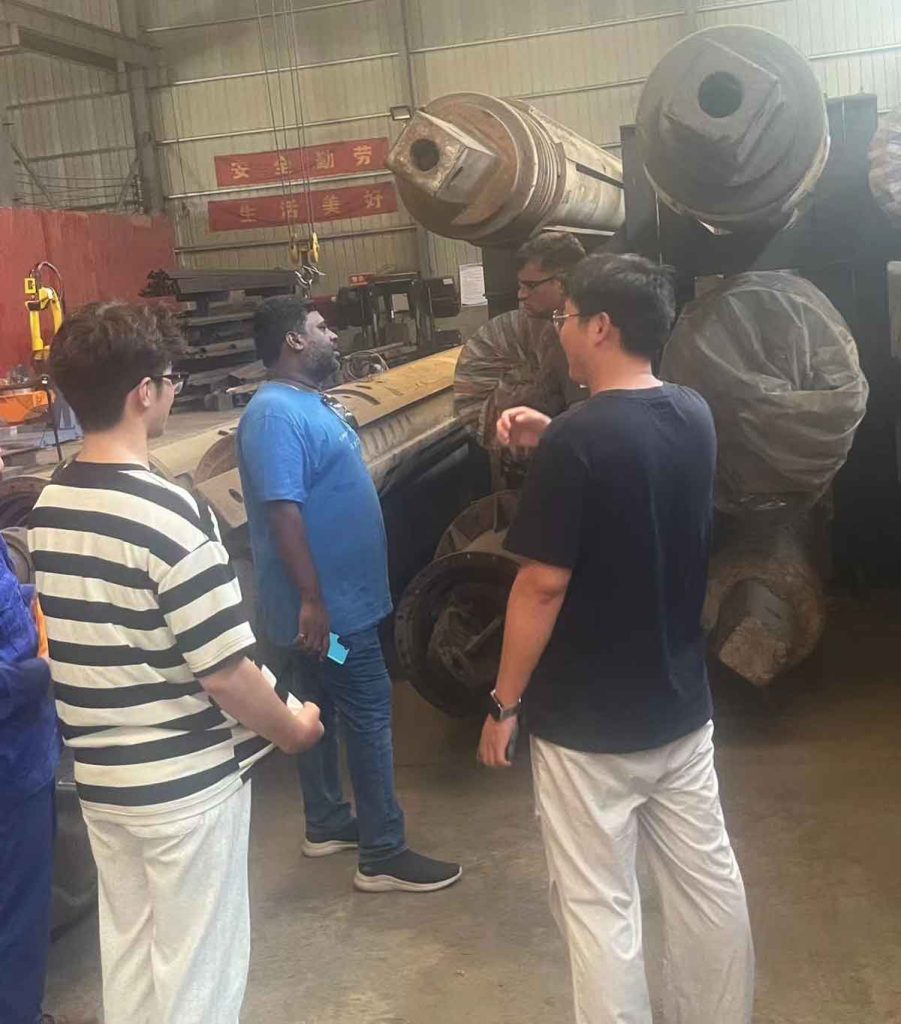
You don’t buy a rotary drilling rig or a Kelly bar in isolation. You buy a system that must put meters in the ground, on time, with a crew that trusts the feel of the machine. Right now the most common comparison we hear is XR280E vs XR360E, and which interlocking Kelly bar—often JS406 or JS419—truly fits the job. This guide sticks to practical signals: pile geometry, ground class, and operator feedback at the rotary head. It also reflects how we configure bars at JM (Xuzhou Jiuman Machinery) for XCMG, SANY, ZOOMLION, BAUER rigs, new or refurbished.
1) Start with the ground, define the torque window, then choose the bar
A quick field framework keeps decisions clean.
Pile & depth: note diameter, target depth, tolerance on verticality.
Ground: classify your most punishing section: clean sands, mixed strata, dense sands/weakly cemented sandstone, or rock socket. Decide based on the hardest layer, not the average.
Torque window: XR280E (≈280–300 kN·m) is a balanced choice for medium sands and mixed profiles. XR360E (≈360 kN·m) adds the reserve you feel when the hole narrows and friction rises in dense sands or weakly cemented layers.
Bar type: interlocking Kelly bar (JS-series) for positive torque transfer in mixed/dense strata; friction bar for long clean sands when speed and weight matter more than shock.
What operators describe as “good personality” is simple: decisive lock engagement and predictable telescope at full stroke. If you hear late lock under torque or feel mid-stroke hesitation, the system is mismatched or out of tune.
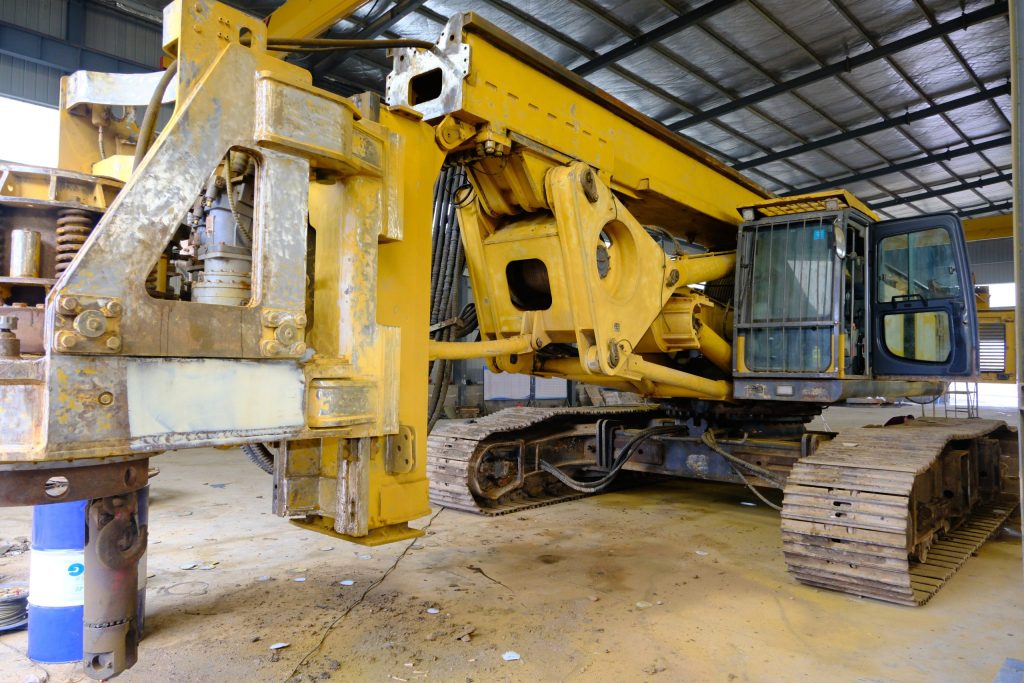
2) XR280E in medium sands: where JS406 shines, and when to step up
On city jobs and mid-depth piles in medium sands or sandy mudstone, XR280E + JS406 is a proven pairing.
Why it works: enough torque to keep rotary speed steady without chasing production with RPM; crowd can maintain bite depth without hammering the stack.
Staging logic: JS406-4×10 for shallower programs and faster telescope; JS406-4×15 when depth targets or mast allow longer sections.
Wear strategy: retain wear plates on outer section and set key-strip hardness for sandy slurry. You want crisp lock-up that stays crisp after weeks of fines.
Operator feel: minimal stick-slip mid-stroke; lock seats quickly when ramping torque. If engagement drifts late during long days, inspect pressure-plate preload and debris at the interfaces before blaming the rig.
When to step up: if meters per hour collapse in a dense lens or the rig repeatedly hits torque limits with hesitation at lock, you’re in XR360E territory or you need an upgraded bar geometry.
3) XR360E in dense sands or weakly cemented sandstone: bring JS406-4×15 or JS419
Sites that read “dense sand-rock” on the log reward XR360E. The extra torque lets the operator keep bite depth without abusive crowd pulses.
Bar choices: JS406-4×15 covers most dense-sand programs. Move to JS419-4×12 if torque ramps become abrupt or your piles push the system in socket work.
Geometry discipline: straightness and concentricity matter more as torque rises. Keep the bar on a full-stroke stand before shipment; confirm lock depth through the stack.
Shock management: treat shock as the enemy. Set the job rhythm around steady torque climbs, not step changes. The right JS-series bar turns that smoother torque into meters without chewing the adapter or keys.
4) Staging, length, and adapter fit: the small choices that change your first week
The best-looking spec fails if basics drift.
4×10 vs 4×15: shorter sections telescope faster and reduce whip on lighter rigs; longer sections help depth with fewer cycles but demand straighter tubes and cleaner lock faces.
Adapter fit: for XCMG, SANY, ZOOMLION, BAUER, match box size, bolt circle, and face depths precisely. “Almost right” is wrong—it creates micro-slip and heat.
Spare-parts kit: ship pressure plates, key strips, retaining rings, drive-adapter hardware with the bar. When the lock feel softens, the fix should be in the crate, not weeks away.
Arrival condition: four-layer export package—dual films over primer, bubble wrap for shock, outer tarpaulin for water/sun, front/rear steel frames with rubber pads—keeps the lock faces and coating ready for day one.
5) New vs refurbished rigs: schedule truth and the case for “ready-to-drill” proof
A refurbished XR280E or XR360E with inspection logs can protect both capex and calendar. If your tender requires fast mobilization, the bar + rig + spares + packaging bundle matters more than paint. What convinces project managers is evidence: a one-page Product Passport showing straightness, lock-depth readings, full-stroke test stills, adapter dimensions, and packing photos. That is how you cut disputes at the port and start drilling the day after arrival.
What to send JM for a one-page matching plan: rig model, pile diameter/depth, hardest ground layer, delivery window, and destination port. We’ll return a pairing (XR280E or XR360E) + JS-series staging + spares list + shipping route that meets your dates.